According to Jewish tradition, Abraham is the first patriarch of the Jewish people and the founding father of the covenant, or b'rit, between God and the House of Israel. The binding of Isaac is the last, and the hardest, of the 10 trials that God gave Abraham.
.jpg) |
| Image source: wikipedia.org |
The story of Abraham
Despite being the son of a man who made idols, Abram, from an early age, believed that there was only one true God. When he was 99 years old, God told Abram to leave Ur, where he was born, and to move to Canaan. In return, God promised Abram that he would become the father of a great nation.
To get to Canaan, Abram traveled through an area that is now called Israel. God promised that the land would be his and his descendants'. However, Abram was far too old to have children: At this time, he was almost 100 years old, and his wife Sarai was 90. God performed a miracle for Abram: Sarai soon became pregnant with a son, whom they named Isaac. God changed Abram's name to Abraham, which means, “father of many.”
By allowing Sarai and Abraham to have a child, God showed that He had the power to control even natural processes and that He kept his promises.
The akedah
To test Abraham's faith, God commanded him to offer Isaac as a burnt offering. It was also a test of faith for Isaac, who knew he was about to be sacrificed but did not resist.
Abraham, although distraught, obeyed. He had already bound Isaac at an altar in Moriah when he was stopped at the last moment by an angel. Abraham found a ram nearby and sacrificed it instead. God then reiterated his promise: "I will greatly multiply your seed as the stars of the heavens and as the sand that is on the seashore, and your descendants will inherit the cities of their enemies."
 |
| Image source: huffingtonpost.com |
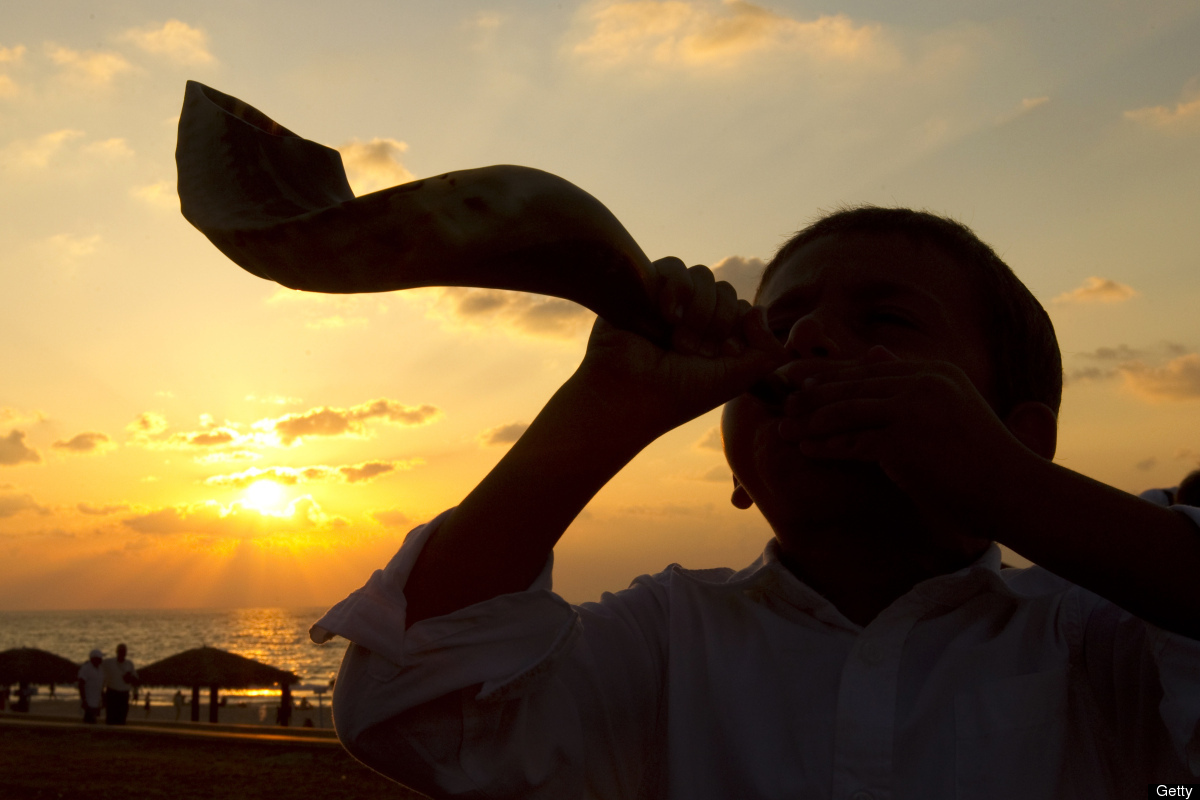
The word “akedah” refers to the binding of Isaac at the altar and is a word that cannot be found elsewhere in the Bible apart from Genesis 22. It became, in Jewish tradition, the supreme example of obedience to God's will and Isaac's devotion and willingness became a symbol of Jewish martyrdom and the willingness of the Jewish people to give up their lives for Kiddush HaShem, or the sanctification of God's name.
Ronald Safdieh is the head of Dameron Fine Arts. For more articles on the Jewish faith, subscribe to this blog.
